The Machine on the Wrist: How Richard Mille Redefined Ultra-Luxury Watchmaking in a Single Generation
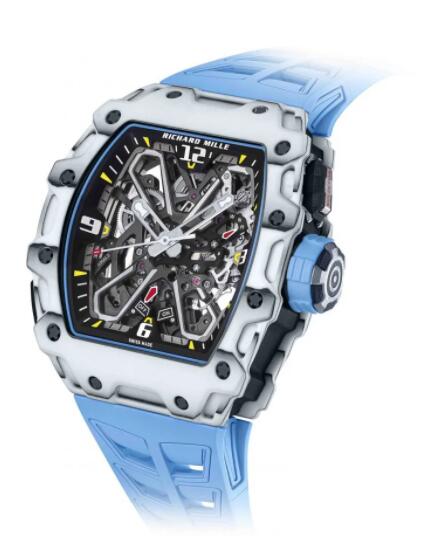
The Machine on the Wrist: How Richard Mille Redefined Ultra-Luxury
Watchmaking in a Single Generation
In an industry where the majority of prestigious names measure their own
history in centuries, Richard Mille arrived in 2001 as well as instantly turned
the rules inverted. The Richard Mille view brand history doesn’t come from a
19th-century Swiss village-it begins with a radical concept: build a watch like
a Formula 1 chassis, where every element serves both engineering and also
ergonomics, and ignore almost all traditional design constraints.
That viewpoint answers the question why is Richard Mille so costly with
more substance than many critics expect. The cost isn’t very merely branding.
Each watch uses exotic materials lent from aerospace and motorsport-grade 5
titanium, Carbon TPT, Quartz TPT, even graphene. The movements feature
skeletonized bridges suspended in mid-air, designed to withstand G-forces that
could shatter a conventional caliber. Central to this identity is the Rich Mille
tonneau case development, a curved, ergonomic form that hugs the hand despite
its imposing sizes. Developing a single new situation can cost millions in
R& D and take years to master. In just over two decades, Richard Mille has
achieved exactly what legacy brands spent lives building: a genuinely unique
design language that works as aggressively as it appears.
